
The journey toward sustainable impact requires not only action, but reflection.
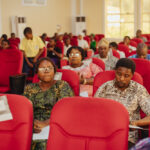
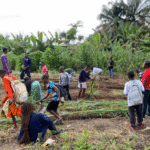
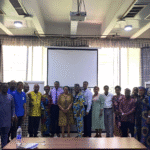
On the 9th of March, 2026, Christian Food Aid convened a review meeting with representatives from the six (6) beneficiary schools participating in the Sustainable Agricultural Education and Empowerment (SAEE) Project. The meeting served as a platform to assess progress made over the past year, identify key challenges, and collaboratively shape the direction of the next tentative phase of the project.
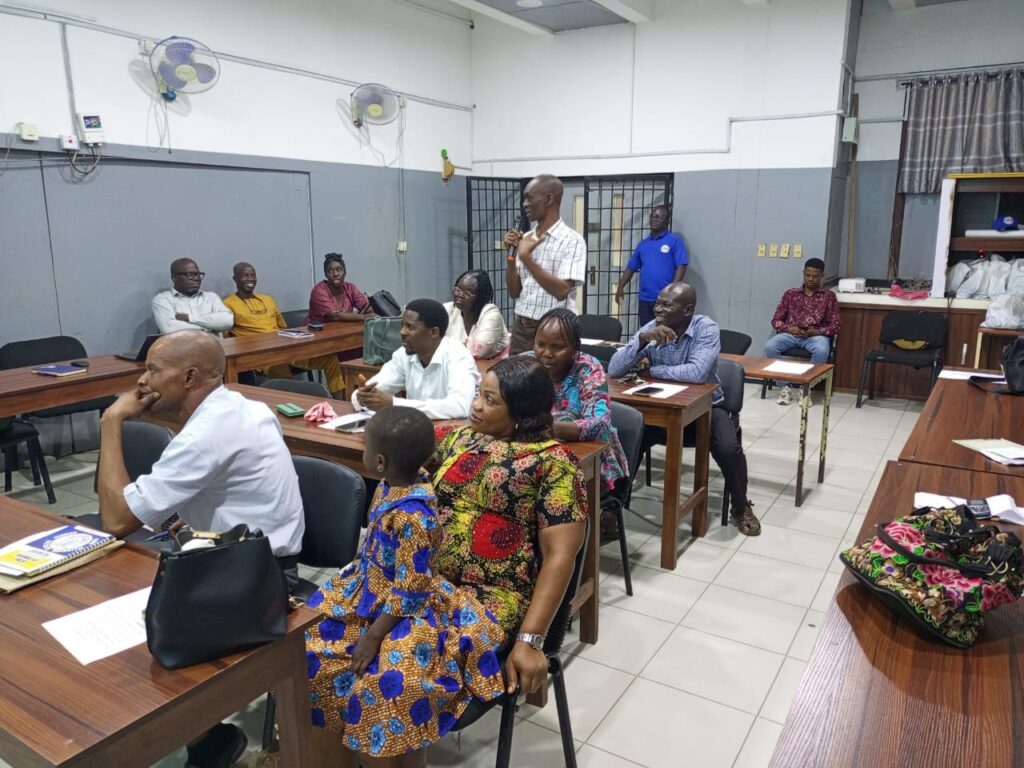
Bringing Stakeholders Together
The meeting brought together focal teachers, school administrators, and project stakeholders from all SAEE participating schools. This engagement, through dialogue and shared experiences, provided valuable insights into how the project has been implemented across different learning environments.
Through open dialogue and shared experiences, participants reflected on both successes and areas needing improvement.
Key Insights and Challenges
While the project has made meaningful strides in promoting agricultural education and student participation, several challenges were identified:
- Limited access to farmland for student activities
- Difficulty balancing academic schedules with project implementation
- Concerns from parents regarding time allocation
These challenges highlighted the need for a more adaptable and context-sensitive approach to project implementation
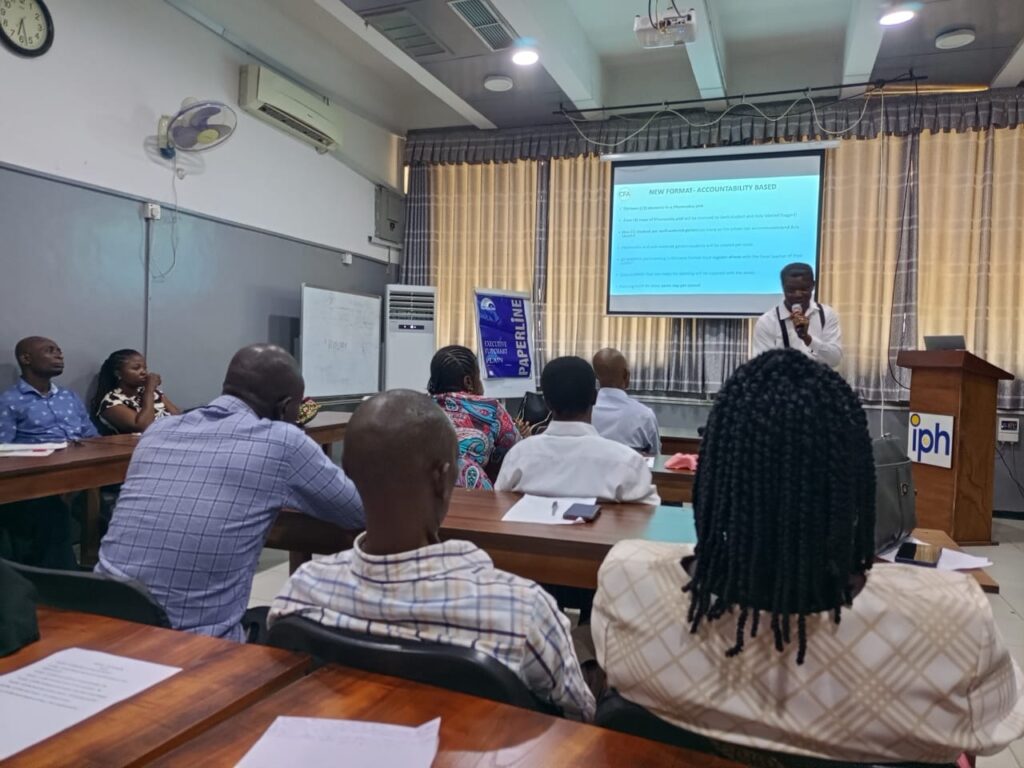
Collaborative Solutions and Improvements
Despite these challenges, the commitment of participating schools remained strong. Teachers and administrators provided practical recommendations to strengthen the project, including improving the approach to the project implementation for more results, reviewing the number of students per farming plot to encourage inclusivity, improving accountability systems for better monitoring and outcomes and designing implementation strategies that reflect local realities. These contributions were instrumental in shaping the next tentative phase of the project.
Selection of Schools for the Next Tentative Phase
Following careful evaluation and deliberation, three schools, St. John’s Grammar School, Origbo Community Unity High School, and Moremi High School, were selected to continue into the next tentative phase of the SAEE Project, as they have demonstrated a very strong level of commitment, active participation, and notable performance during the first year of the project.
Looking Ahead
The review meeting reinforced an important truth: sustainable change is a continuous process that requires learning, adaptation, and collaboration.
As Christian Food Aid prepares for the next tentative phase of the SAEE Project, the organisation remains committed to empowering young people through agricultural education, strengthening food systems within communities and building long-term and sustainable impact.
We believe that meaningful impact is only possible through collaboration.
Christian Food Aid is open to partnerships and sponsorships to support and expand initiatives like the SAEE Project.
Interested in partnering with us?
Email: christainfoodaidngo@gmail.com
Or send us a direct message on our social media platforms
Together, we can build a future where no one goes to bed hungry.