



On February 26, 2026, Christian Food Aid (CFA) marked a momentous milestone, celebrating seven years of unwavering commitment to fighting hunger while launching an ambitious new initiative that promises to transform food security in our communities.
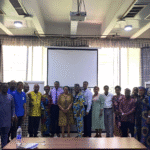
The celebration, held at the African Centre for Excellence Design Studio, OAU, brought together stakeholders (Government representatives from the Ministry of Education, Education administrators across Ife Zone, school leaders, teachers, and students from beneficiary schools), consultants, partners, beneficiaries, and supporters who have been instrumental in CFA’s journey of compassion and service.
Seven Years of Making a Difference
Since its inception in 2018, Christian Food Aid has been a beacon of hope for vulnerable populations across our communities. What began as a mission to ensure no one goes to bed hungry has evolved into a comprehensive approach to food security, touching countless lives through consistent food distribution, community engagement, and sustainable solutions.
The anniversary celebration was more than just a look back; it was a testament to the collective impact of donors, volunteers, and partners who have stood with CFA through the years. Their dedication has enabled the organisation to provide nutritious meals, dignity, and hope to those who need it most.

Reflecting on one year of SAEE Impact
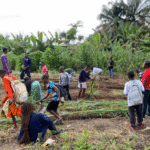
A central focus of the anniversary event was a critical reflection on the first year of the Sustainable Agricultural Education and Empowerment (SAEE) Project, with emphasis on objectives, outcomes and implementation realities. The session provided a comprehensive assessment of the project’s performance across participating schools, highlighting measurable progress in student engagement, practical agricultural learning, and institutional adoption.
Beyond the successes, the review also surfaced key implementation challenges, including constraints related to land access, water, traditional knowledge of farming methods and the integration of project activities within existing academic structures. These insights underscored the complexity of deploying school-based agricultural interventions within diverse operational contexts. Importantly, the discussion moved beyond evaluation to strategic learning, examining how program design, stakeholder engagement, and accountability structures can be strengthened to improve effectiveness and scalability.
Strategic Direction
As part of its forward-looking agenda, CFA presented key initiatives designed to deepen and scale up its impact:
Adopt a School Child Project (ASCP) 2.0
The Adopt a School Child Project (ASCP) is an intervention by Christian Food Aid designed to improve access to quality education for vulnerable students by addressing key barriers to learning. The project provides targeted support such as educational materials, basic welfare assistance, and structured guidance to help students remain in school, improve academic performance, and develop holistically. Beyond immediate support, ASCP adopts a long-term approach by engaging schools, teachers, and communities to create a more enabling environment for learning and student development.
Building on the outcomes of its initial phase, this intervention aims to expand access to educational support while strengthening student performance and retention. Through this initiative, Christian Food Aid aims to ensure that no child is left behind due to socioeconomic limitations while contributing to broader goals of educational equity and community empowerment.
CFA Farms Initiative
The proposed CFA Farms model represents a shift toward sustainability-driven programming. It was designed as a semi-commercial agricultural system, which will help support food production for outreach programs, generate revenue to sustain project operations and create employment and skill-building opportunities.
This integrated approach reflects a broader strategy to move beyond short-term interventions toward self-sustaining development models. It is a centralized system for growing and distributing food resources which will help build an infrastructure that will amplify the organization’s impact and reach more in need.
Key features of the initiative include:
- A structured system for food production and distribution
- Partnerships with local markets, businesses, and food suppliers
- Expanded capacity to serve more beneficiaries across multiple communities
- A sustainable model that ensures consistent food availability year-round
This initiative is particularly timely, as food insecurity continues to affect millions across Nigeria. The project positions CFA to respond more effectively to both chronic hunger and emergency situations.
How You Can Be Part of the Solution
The launch of the CFA farm opens new opportunities for partnership and support:
Donate: Contribute funds, or in-kind resources to ensure the farm is functional
Volunteer: Join the team in sorting, packing, and distributing food to communities
Partner: Work with as individuals, businesses, or organizations sustainable collaboration.
Advocate: Spread awareness about food insecurity and CFA’s mission in your networks
Looking Ahead
As Christian Food Aid enters its eighth year, the organization is energized by the possibilities ahead. The CFA farm is just the beginning of an expanded vision to create a hunger-free community where everyone has access to nutritious food and the dignity that comes with food security.
The journey from 2018 to today has been one of faith, perseverance, and partnership. The next chapter promises even greater impact as CFA continues to live out its mission: ensuring that no one goes to bed hungry.